Parents rarely plan for anesthesia at the dentist, yet many children eventually need it. Maybe a toddler cracked a front tooth on the coffee table, or a school‑age child has several cavities and can’t sit still long enough for treatment. An experienced pediatric dentist weighs the risks and benefits of anesthesia every day, balancing safety with comfort and the child’s long‑term relationship with dental care. If you are staring at a consent form and feeling a knot in your stomach, this guide walks you through the essentials with practical detail.
Why anesthesia is considered for children’s dental care
Pediatric dental care aims to restore teeth, protect developing mouths, and build positive habits. Sometimes, the safest and most humane way to do that is to use anesthesia or sedation. The decision isn’t about convenience. It is about whether your child can receive needed pediatric dental treatment effectively, without trauma or harm.
I see three common scenarios. First, a very young child who needs urgent pediatric cavity treatment or a pediatric tooth extraction and cannot cooperate long enough for numbing and drilling. Second, a child with anxiety or a strong gag reflex who needs a pediatric dental crown or multiple pediatric fillings and finds every step overwhelming. Third, a child with special healthcare needs who benefits from a controlled, predictable environment where the pediatric dental team can work without causing distress. In each case, the goal is the same: high‑quality pediatric dentistry delivered with compassion and safety.
Types of dental anesthesia and sedation used in pediatric dentistry
The vocabulary can be confusing. Parents often hear “sedation” and “anesthesia” used interchangeably. In a pediatric dental clinic, we typically discuss a continuum of options, each suited to different ages, needs, and procedures.
Minimal sedation with nitrous oxide. Often called “laughing gas,” nitrous blends with oxygen and is delivered through a small nasal hood. Children stay awake, respond to questions, and breathe on their own. It eases anxiety and reduces sensation of time. Nitrous is ideal for brief visits like a pediatric dental cleaning or a simple pediatric tooth filling. The effects wear off quickly once the gas stops.
Oral moderate sedation. A liquid medication, commonly midazolam or a similar agent, taken by mouth under supervision. Children feel drowsy and relaxed but remain responsive. This can help a pediatric tooth doctor complete several fillings with local anesthesia in one visit. Not every child responds predictably to oral sedation, and some will still resist, which is why careful case selection matters.
IV sedation and deep sedation. Medications given through a small IV help a child drift into a deeper level of relaxation or sleep. Breathing remains spontaneous but is closely monitored. This approach suits longer procedures or children with significant anxiety, where cooperation is limited. It is administered by a trained anesthesia provider in a pediatric dental office equipped for advanced monitoring.
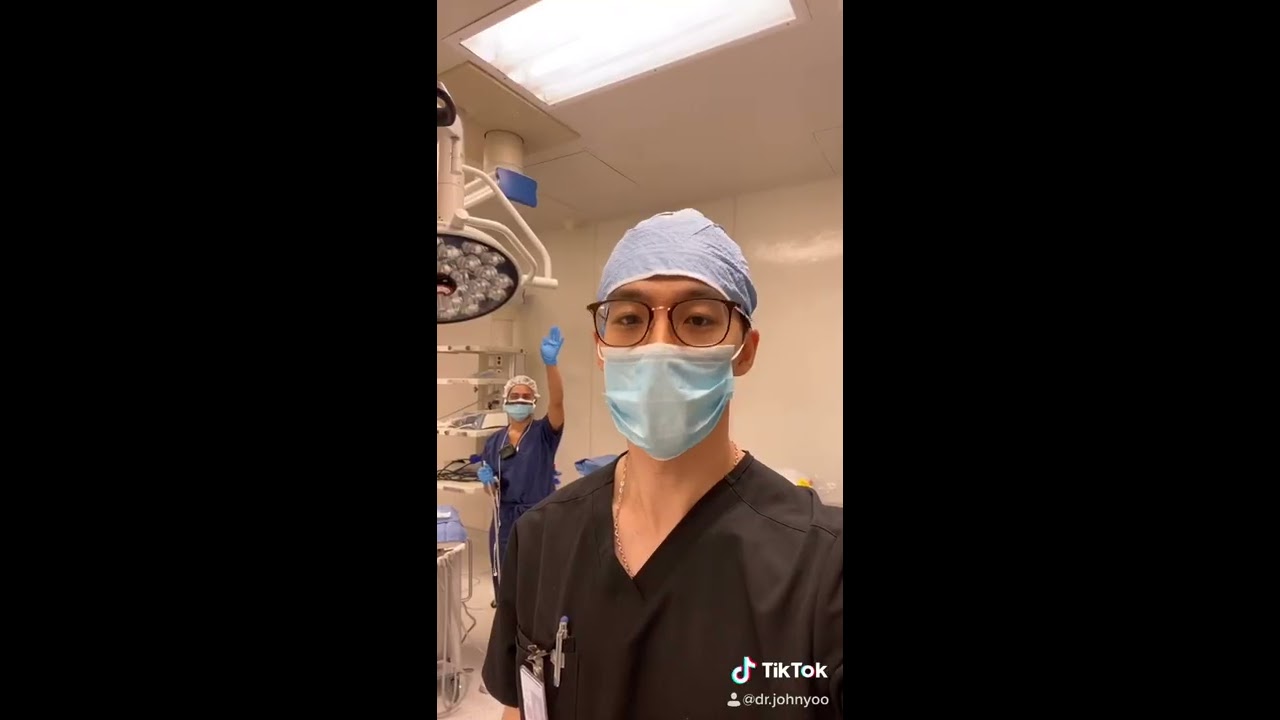
General anesthesia. The child is completely asleep, with medications maintaining unconsciousness and often a breathing tube to protect the airway. This is performed by a dentist anesthesiologist or physician anesthesiologist, typically in a hospital, surgery center, or a pediatric dental practice with an on‑site anesthesia team and operating‑room‑level safety protocols. General anesthesia is appropriate for extensive treatment needs, dental emergencies in very young children, or children who cannot tolerate other methods.
An experienced pediatric dentist will explain which level fits your child’s needs and why. It is not one‑size‑fits‑all. A four‑year‑old with eight cavities and dental pain might benefit from general anesthesia to complete all pediatric dental services in one visit, avoiding multiple traumatic attempts. A confident seven‑year‑old may do beautifully with nitrous oxide and local anesthetic.
Safety standards and what they mean for your child
Parents deserve a clear, unemotional review of safety. When delivered by trained providers using current guidelines, pediatric sedation and anesthesia have a strong safety record. The key is matching the right level of sedation to the right patient in the right setting, with redundant safeguards.
Look for a board certified pediatric dentist who collaborates with an experienced anesthesia provider. In many regions, pediatric sedation requires special permits, emergency training, and equipment like capnography to monitor breathing, pulse oximetry for oxygen levels, and automatic blood pressure measurement. Ask your pediatric dental specialist how many cases they perform annually, which medications they use, and how they manage rare complications.
Safety starts before the day of treatment. A thorough pediatric dental exam and medical history review flag asthma, sleep apnea, heart conditions, allergies, or previous anesthesia reactions. The team will calculate weight‑based doses carefully. On the day of the visit, a pre‑procedure checklist confirms fasting times, medications, consent, and readiness of emergency equipment. During the procedure, at least two trained professionals maintain constant observation. Afterward, the child recovers under supervision until they meet discharge criteria.
In my practice, we abide by a simple rule: no surprises. Parents receive written pre‑op instructions and a walk‑through of what to expect in the chair and at home. We also schedule the right amount of time, reducing rushing, which is one of the biggest risk factors in any procedural setting.
How to prepare your child (and yourself)
Children read our tone. If a parent is tense or evasive, a child senses it immediately. Tell your child the truth in age‑appropriate language. For nitrous or oral sedation, I pediatric dentist near me 949pediatricdentistry.com may coach parents to say, “You’ll wear a soft nose mask that smells sweet, and your teeth will get sleepy so the dentist for kids can clean the sugar bugs.” For general anesthesia, be clear: “You will take a special nap while the children’s dentist fixes your teeth, and we will be right there when you wake up.”
Follow fasting instructions precisely. These rules protect the airway and are non‑negotiable. Typically, clear liquids can be allowed up to two hours before, breast milk up to four hours, formula or a light snack six hours. The exact timing depends on the anesthetic plan and your pediatric dental office protocols.
Dress your child in loose, comfortable clothing with short sleeves, remove nail polish, and bring a favorite blanket or toy. Confirm transportation and time off work or school. If your child takes daily medication, ask whether to give it the morning of the procedure. For anxious children or kids on the autism spectrum, a pre‑visit tour or social story from your special needs pediatric dentist can make the morning smoother. Visual supports and a clear sequence, step by step, help many children succeed.
What happens during the appointment
The day moves in chapters. First, check‑in and a brief review of fasting and health status. Vitals are taken. For minimal sedation, a nasal hood is placed and adjusted. For oral sedation, the medication dose is checked by weight, then given. For IV or general anesthesia, a topical numbing cream may be placed on the hand or arm, and the anesthesia professional starts the IV once your child is comfortable. Monitors are connected and checked.
Local anesthesia is still used for most restorative work, even under deeper sedation. This ensures a smoother recovery with less pain. The pediatric dental team will isolate the tooth or quadrant, often with a rubber dam to protect the airway and keep the field dry. A skilled kids dental specialist works efficiently to limit anesthetic time. If multiple teeth need treatment, the plan is staged to prioritize infected or painful areas first, then caries control for the rest. For baby molars with deeper decay, stainless steel pediatric dental crowns are sometimes preferred over large fillings to reduce the chance of retreatment.
Throughout, your child’s breathing, heart rate, and oxygen levels are continuously monitored. If discomfort or movement occurs, the team adjusts anesthetic depth or technique. Completion is not forced at all costs; safety and long‑term trust with the pediatric dental practice remain the compass.

Recovery and what to expect at home
Recovery starts in the dental chair, not the car. We wait until a child is awake enough to maintain their airway, follow simple commands, and keep liquids down. Some children wake cheerful and hungry. Others are disoriented or tearful for 10 to 30 minutes. This “emergence” phase passes. Your gentle pediatric dentist or the recovery nurse will guide you through it.
At home, expect drowsiness for several hours. Hydration comes first. Offer clear liquids, then progress to soft foods. Numb lips and cheeks increase the risk of accidental biting, especially in toddlers. A simple trick: tuck a cotton roll in the cheek for 20 minutes and keep your child close while they watch a show, giving the numbness time to fade. Pain after pediatric fillings is usually mild and managed with weight‑appropriate acetaminophen or ibuprofen. Crowns and extractions can be tender for 24 to 48 hours. Any fever above the low 100s Fahrenheit, persistent vomiting, difficulty breathing, or uncontrolled pain warrants a call to your pediatric dentist or the on‑call number provided.
Most kids bounce back quickly. I advise quiet play the rest of the day and a normal routine the next morning, unless more extensive pediatric dental surgery was performed.
Common questions parents ask
Is general anesthesia safe for my toddler? For healthy children in experienced hands, the risk of serious complications is low. The anesthesia team screens carefully and uses child‑specific protocols. The alternative in many cases is multiple failed attempts, prolonged pain, or spreading infection. If there is a medical concern, we coordinate with a pediatrician or hospital team.
Will my child remember anything? With nitrous, children are awake and recall parts of the visit, though it often feels shorter. With oral or IV sedation, many children have little memory of the specific steps. Under general anesthesia, children don’t remember the procedure.
How long will my child be asleep? Nitrous works only while the mask is on. Oral sedation can last 60 to 120 minutes. IV sedation and general anesthesia are tailored to the case length, often 45 to 150 minutes, factoring in setup and recovery.
Can we just space out the work without anesthesia? Sometimes, yes. Behavior guidance, tell‑show‑do, desensitization, and child friendly dentist techniques help many children complete care without sedation. Fluoride varnish, silver diamine fluoride, or interim therapeutic restorations can buy time in select cases. When disease is advanced or behavior is resistant, postponing care can worsen the problem. The decision requires honest conversation about risks, benefits, and your child’s temperament.
Does anesthesia affect brain development? Large population studies looking at single, brief exposures to general anesthesia in healthy children have not shown meaningful long‑term neurodevelopmental differences. Repeated or prolonged exposures are studied more closely, particularly under age three, though confounding factors complicate analysis. In dentistry, we aim for one efficient visit rather than multiple sedations. Untreated pain, infections, poor sleep, and malnutrition from dental disease also affect development. We weigh all of this together.
What will it cost? Costs vary by region, setting, and insurance. Nitrous is modest. Oral sedation adds medication and monitoring fees. IV sedation or general anesthesia involves anesthesia professional fees and facility fees, especially in a hospital or surgery center. Ask for a pre‑treatment estimate from your pediatric dental office and your insurer. Flexible scheduling, treatment bundling, and payment plans may help.
How we decide between sedation options
Decision‑making is more art than formula. I look at age, number of teeth involved, presence of infection, medical history, previous dental experiences, parent support, and time sensitivity. For a calm 6‑year‑old needing two small fillings, nitrous is enough. For a fearful 5‑year‑old with six back teeth affected and nighttime tooth pain, deeper sedation or general anesthesia lets us complete comprehensive care with minimal trauma. For a 3‑year‑old with rampant decay and a history of asthma, we might prefer a hospital setting with pediatric anesthesiology on site.
The aim is not just today’s visit but the next ten years of pediatric oral care. A child who experiences careful, pain‑free treatment under the right level of anesthesia often returns for routine pediatric dental checkups with less fear. That momentum matters as permanent teeth erupt and orthodontic evaluations begin.
Special considerations for children with unique needs
For children with autism spectrum disorder, sensory processing differences, or developmental delays, predictability is powerful. A special needs pediatric dentist may recommend a clinic tour, visual schedules, and practice sessions with the nasal hood. Weighted blankets, dimmed lights, and noise‑reducing headphones can be offered. Some children do well with minimal sedation when these supports are in place; others need IV sedation to protect their airway and ensure safe, timely care.
Children with cardiac conditions, bleeding disorders, severe asthma, or sleep apnea require coordination with medical teams. We may plan treatment in a hospital where a pediatric anesthesiologist and child‑life specialists can assist. The pediatric dentist’s role is to translate dental priorities into a medical plan that respects the child’s overall health. If you are searching phrases like pediatric dentist near me or children dentist near me, ask specifically whether the office is experienced with your child’s diagnosis and collaborates with your pediatrician.
What parents can do to reduce the need for anesthesia later
Prevention remains the most reliable way to avoid complex treatment. First visits by the first tooth or by the first birthday establish a baseline. A pediatric dentist for infants and toddlers coaches parents on toothbrushing, fluoride toothpaste use, diet patterns, and bottle and sippy cup habits. Twice‑yearly pediatric dental exams with pediatric teeth cleaning, fluoride varnish, and pediatric dental sealants on permanent molars can cut cavity risk sharply.
Diet drives decay more than many realize. Juice, sports drinks, sticky snacks, and frequent grazing bathe teeth in sugar and acid. Shifting to water between meals, saving treats for mealtimes, and brushing before bed with a fluoride paste prevents a large share of cavities. For higher‑risk kids, a pediatric fluoride treatment program and closer recall may keep disease at bay. This boring choir of reminders is what keeps your child out of the operating room.
Handling emergencies that may require anesthesia
Dental emergencies don’t check your calendar. If a baby tooth is knocked loose or a permanent tooth fractures, call a pediatric emergency dentist promptly. X‑rays may be needed to rule out root or jaw injury. A traumatized, bleeding, frightened child often cannot tolerate detailed procedures awake, particularly if sutures or splints are necessary. An emergency pediatric dentist coordinates urgent care, sometimes under sedation, to control pain and protect developing teeth.
For severe tooth pain at night, swelling of the face, fever, or difficulty swallowing, seek care the same day. Facial swelling that extends near the eye or under the jaw is a red flag for deeper infection. Antibiotics alone rarely solve advanced decay; definitive treatment under anesthesia may be the safest route once the child is medically stable.
What to ask during your pediatric dentist consultation
Parents don’t need a medical degree to assess readiness. Clear answers and a calm, organized environment tell you a lot. Consider bringing this short checklist to your pediatric dentist consultation.
- Who will provide the anesthesia, and what credentials and pediatric experience do they have? What level of sedation or anesthesia do you recommend for my child and why? How do you monitor safety during the procedure, and what emergency equipment is on site? How many visits will be needed to complete care, and what is the expected recovery? What are the total costs, including anesthesia and facility fees, and how does insurance apply?
These questions are not adversarial. Good teams welcome them and answer without jargon. If you feel rushed or your concerns are minimized, it may be worth seeking a second opinion from an experienced pediatric dentist or a board certified pediatric dentist in your area.
Building long‑term trust with a child friendly dentist
Anesthesia should not be a child’s only memory of dental care. After treatment, reintroduce routine pediatric dental visits with a light, positive tone. Schedule a short, fun appointment for a toothbrush lesson or a fluoride varnish, so your child experiences the office without needles or drills. Many pediatric dental practices offer rewards, themed rooms, and tell‑show‑do approaches that normalize dental care. For a nervous child, short, successful visits accumulate confidence.
From the provider side, we track each child’s narrative. A 4‑year‑old who needed general anesthesia for comprehensive care can often handle nitrous by age 6 and routine cleanings by age 7 with no sedation at all. That arc is a team effort among parents, the child, and the pediatric dental team.
When a second opinion helps
If a recommendation doesn’t sit right, get another perspective. This is especially true when general anesthesia is proposed for limited treatment in an otherwise cooperative child, or if you are told no other options exist. Another pediatric dental specialist may suggest staged care, silver diamine fluoride to arrest decay temporarily, or behavior guidance strategies that fit your child. Conversely, a second opinion sometimes confirms that comprehensive care under anesthesia is the wisest, safest path. Either way, you gain confidence.
A few real‑world examples
A two‑year‑old with bottle caries: front and back baby teeth with soft, active decay. Despite several attempts, the child clamped, cried, and could not tolerate a mirror exam. The family tried fluoride and diet changes, but pain developed at night. We scheduled care under general anesthesia with a pediatric anesthesiologist. In one session, we placed stainless steel crowns on four molars, white fillings on front teeth, and applied fluoride. The child woke comfortable and returned for a gentle check in three months, then every six months. No further sedation was needed.
A nine‑year‑old with strong gag reflex and anxiety: two permanent molars with deep grooves and early decay. After a practice visit and modeling, we used nitrous oxide and distraction techniques. The child tolerated sealants and small fillings well. We avoided deeper sedation by investing extra chair time and pacing the visit.
A six‑year‑old with autism and sensory sensitivities: four cavities and a history of needle phobia. The special needs pediatric dentist scheduled a desensitization visit with visuals and a toy nasal hood. Despite progress, the child still resisted injections. We opted for IV sedation with a dentist anesthesiologist. Treatment was completed smoothly, and the child’s parents later reported less dread around medical visits generally.
These snapshots illustrate the principle: tailor the plan to the child, not the other way around.
Finding the right partner for your family
Parents often search for pediatric dentist near me or family pediatric dentist without knowing what differentiates offices. Look for a pediatric dental practice that emphasizes preventive care, offers a full range of pediatric dental services, and has clear protocols for pediatric sedation dentistry and pediatric dental anesthesia when needed. Ask whether the office is accepting new patients and how they handle after‑hours questions. A kid friendly dentist and staff who communicate well is worth the extra travel.
Credentials matter, but so does chemistry. If your child lights up at the front desk and the team speaks to them at eye level, you are halfway there. The rest comes down to thorough assessments, conservative yet decisive treatment planning, and transparent conversations.
Final thoughts parents find grounding
Children do best when adults act like a steady team. Your pediatric dental clinic brings training and equipment. You bring history, daily habits, and intuition about your child’s temperament. Together, you can choose an approach that fixes teeth now and preserves trust later. Sometimes that means a simple visit with nitrous and stickers. Sometimes it means a well‑planned morning under anesthesia with an experienced pediatric dentist, followed by smoothies, cartoons, and a long nap.
If you are still unsure, book a pediatric dentist consultation. Bring your questions, your child’s medication list, and your expectations. A thoughtful pediatric dental appointment should leave you with a clear plan, precise instructions, and a sense that your child’s comfort and safety are the real priorities. That is the standard every parent deserves from a dentist for kids, whether it is for a first tooth check or comprehensive care.