To a toddler, the mouth is a busy place. New teeth erupt, gums itch, flavors arrive, and routines take shape that will either support a lifetime of oral health or invite avoidable problems. Parents juggle teething, brushing battles, midnight fevers, and the first appointment with a pediatric dentist. I have watched hundreds of families walk through these same milestones. The patterns are consistent, yet every child brings quirks that matter. Good guidance paired with small daily wins beats any single heroic fix.
When baby teeth matter more than most people think
Baby teeth carry nutrition, speech, and facial growth during the earliest years. They also hold space for adult teeth that will erupt later. A decayed or missing baby molar can cause neighboring teeth to drift and block the path of permanent molars by the time kindergarten starts. I have seen five-year-olds arrive with a crowded bite not because of genetics, but because a baby molar was lost a year too early to cavities. Space maintainers are helpful, but prevention is easier and gentler.
Toddlers chew to explore textures and practice jaw motion. If back teeth are painful, they avoid chewy foods and switch to soft, sugary options, which often accelerates decay. Small cavities move fast in thin baby enamel, sometimes in weeks, not months. That urgency is why pediatric dentistry emphasizes prevention starting before the first birthday and why a dentist for toddlers can feel like a coach more than a fixer.
Teething: what helps, what doesn’t, and when to worry
Teething usually begins around 6 months, though anything from 4 to 12 months can be normal. Irritability, drooling, and chewing on objects are common. Low-grade temperature elevations can happen, but sustained fevers or diarrhea deserve a call to the pediatrician. Parents ask about teething gels and home remedies. Here is what experience and evidence support.
Firm pressure is the workhorse. A chilled, not frozen, teething ring or a clean cold washcloth gives soothing compression. A silicone finger brush can help massage gums while letting the toddler acclimate to oral care. Over-the-counter pain relievers like acetaminophen or ibuprofen can be used short term when nights go off the rails. Dose by weight and confirm with your pediatrician if unsure.
What to skip matters. Topical benzocaine products are no longer recommended because of rare, serious side effects. Amber necklaces pose NY pediatric dental care choking and strangulation risks and do not provide meaningful relief. Homeopathic tablets have had safety recalls in the past. If a tooth seems stuck for months with swollen gum flaps that bleed frequently, a quick look by a kids dentist can rule out eruption cysts or a small infection. Most of the time, reassurance and simple measures fix the problem.
Brushing toddlers’ teeth without a daily battle
If I could diagram the most common scene in a kids dental clinic, it would show a parent with a toothbrush in one hand and a squirmy toddler tucked under the other arm, both mildly annoyed. Toddlers resist anything that slows them down. The trick is to make brushing quick, predictable, and non-negotiable like buckling a seat belt, while avoiding standoffs that sour the habit.
Use a soft, infant or toddler-sized brush. A smear of fluoride toothpaste about the size of a grain of rice is enough until age 3. Fluoride hardens enamel and dramatically reduces cavities in high-risk kids. For children with higher decay risk, your pediatric dentist may recommend a slightly higher frequency of brushing or a fluoride varnish in-office. Parents often worry about toothpaste swallowing. At smear amounts, it is not harmful. The greater risk is skipping fluoride altogether when enamel needs it most.
I like to brush toddlers in positions that stabilize the head. One reliable approach is knee-to-knee: two adults sit facing each other with knees touching, the child reclines with the head on one set of knees and feet on the other adult. It lets you see molars clearly and finish in 60 to 90 seconds. Solo brushing can work with a couch technique, resting the child’s head on your lap while you brush. Sing a short song, time it to a favorite 90-second track, or use a predictable “Top teeth, bottom teeth, tongue, done” routine that becomes rote.
Toddlers crave control. Offer choices that do not compromise effectiveness. Let them pick the toothbrush color, the order of upper or lower teeth, or the post-brush sticker. Then the parent does the actual brushing. I tell parents to let toddlers “practice” first, then say, “Now it’s my turn for a sparkle check.” When toddlers clamp shut, place the brush gently between molars, rotate, and use it as a lever to open the space without pinching cheeks. Quick, calm, consistent beats long, dramatic, inconsistent.
The first dentist for baby: when to go and what happens
The ideal timing for the first pediatric dental visit is by the first birthday or within six months of the first tooth. The goal is prevention and familiarity, not a full cleaning like an adult appointment. If you are searching for a “baby dentist near me” or “toddler dentist near me,” look for a board certified pediatric dentist or a family and pediatric dentist with strong infant experience. Offices that describe themselves as a kids dental clinic or children’s dental clinic will usually have equipment and language tailored to young patients.
That first visit is mostly conversation and a brief exam. I ask about feeding patterns, nighttime bottles, sippy cups, thumb or pacifier habits, and fluoride exposure. I look for eruption patterns, tongue and lip ties that may affect feeding or hygiene, early white-spot lesions that signal demineralization, and any areas of plaque accumulation. If needed, we apply a fluoride varnish. It takes seconds and hardens within minutes. I demonstrate brushing techniques on the child, hand the brush to the caregiver, and coach in real time. If parents want a tongue or lip tie evaluation, we assess function and tissue attachment rather than appearance alone, and I only recommend intervention when clear feeding or hygiene problems exist.
Photos rather than x rays are typical at this age unless there is a specific concern like suspected cavities between teeth or a history of trauma. Most insurance plans cover this visit. If you need an affordable pediatric dentist or a pediatric dentist that takes Medicaid, call ahead to confirm. Many pediatric dental offices are open on Saturdays, and some offer a weekend pediatric dentist or same day pediatric dentist for urgent issues. A few regions have a 24 hour pediatric dentist hotline for triage.
Bottle, sippy, straw: where cavities are hiding
Toddlers love milk and juice, and fruit pouches feel wholesome. The mouth cannot tell the difference between natural sugars and added sugars when they bathe the teeth. The most common cavity pattern I treat in toddlers is on the upper front teeth and the molars, linked to prolonged bottle use, bedtime milk, or constant sipping. Juice is a big contributor when offered daily or carried in sippy cups for long periods.
Practical steps work better than strict bans. Serve milk with meals, not nap or bedtime. If a bedtime bottle is tough to quit, switch to water in the bottle while keeping the cuddle routine. Use an open cup or a straw cup for water between meals. Keep juice to very small amounts, ideally diluted, and not daily. Sticky snacks like gummy vitamins or fruit snacks glue sugars to grooves, which even excellent brushing struggles to undo. Cheese, nuts if age-appropriate and safe, crunchy vegetables, and yogurt without added sugars are gentler on enamel. Your pediatric dentist can tailor dietary advice to your child’s routine in a way that does not overhaul your whole kitchen.
Fluoride, varnish, and x rays: separating fact from fear
Fluoride is one of the simplest tools we have. At toddler quantities, its benefits far outweigh risks. Brushing twice a day with a smear of fluoride toothpaste is safe and effective. In the office, fluoride varnish is a thin, sticky coating brushed onto teeth. It tastes slightly sweet, sets quickly, and works best when applied two to four times per year for children with moderate to high risk of cavities. I have watched early chalky spots re-harden over months with consistent fluoride plus better brushing.
Parents frequently ask about x rays. For toddlers, we only take them when necessary, usually bitewings to detect cavities between back teeth once those teeth contact. Radiation exposure from modern digital sensors is very low, and we use shielding and careful selection. If there is no contact between molars yet, we wait. If trauma occurs, a targeted x ray might be recommended earlier to evaluate root shape or bone healing.
Families sometimes seek a holistic pediatric dentist or biologic pediatric dentist. The best versions of these practices still use fluoride when indicated and follow evidence-based prevention while respecting parents’ preferences. If you prefer to limit fluoride, be honest with your provider so we can increase mechanical plaque control and shorten recall intervals to offset the risk.
What a children’s dentist does differently
A children’s dental specialist designs everything around short attention spans, small mouths, and big feelings. From the language we use to the size of instruments, the goal is a gentle dentist for kids experience. The kids dental office will feel less clinical and more like a bright classroom. We narrate care in age-appropriate terms, give simple choices, and use “tell-show-do” to demystify tools. A board certified pediatric dentist has completed a residency focused on child development, behavior guidance, sedation, and care for children with medical complexities.
When a toddler cannot tolerate a procedure because of pain, fear, or developmental stage, we have options. A sedation pediatric dentist can offer minimal or moderate sedation for select cases, always with careful screening. For children with autism or other sensory needs, we adjust lighting, predict transitions out loud, and shorten visits. For some, we use weighted blankets, visual schedules, or desensitization visits with no instruments. Pediatric dentists for special needs children often coordinate with occupational therapists or the child’s medical team to create successful routines. The best pediatric dentist is the one your child trusts enough to return to, not just the one with the most online stars.
When toddlers have cavities anyway
Even with good routines, some toddlers develop cavities because of enamel defects, reflux, frequent illness, or genetics. I have seen siblings in the same household with similar diets and brushing habits, one cavity-free and the other riddled with decay by age three. Early detection prevents bigger treatments. We can treat small lesions with fluoride varnish or silver diamine fluoride, which halts decay by hardening the damaged area. It stains the cavity black, which is a cosmetic trade-off on back teeth many parents accept to avoid drilling on a toddler.
If a tooth needs a filling, we use tiny instruments and gentle isolation. For larger lesions in baby molars, stainless steel crowns last well and protect the tooth until it naturally exfoliates. They look silver, but on back teeth they are practical and durable. For front teeth with deep decay, white crowns are an option, though they can chip under heavy bite forces. A pediatric dentist for cavities will talk through pros and cons with examples, not just default to one material.
Root canals on baby teeth are not like adult root canals. We remove infected tissue from the crown portion, medicate the roots, and restore the tooth to relieve pain and preserve space. A pediatric dentist for root canal on a baby tooth performs these regularly when indicated. If an infection or fracture makes a tooth non-restorable, extraction with a plan for a space maintainer is often better than chronic antibiotics. Pediatric dentists for tooth extraction use local anesthesia with careful behavior guidance or sedation when needed.
Brushing resistance, gag reflexes, and other real-world hiccups
Every family hits friction. Toddlers gag when brushing the tongue or molars, then refuse the next night. For gags, use a smaller head brush and slow down. Brush the sides of the tongue first, then the top, staying closer to the front. Some children prefer a silicone finger brush that feels less scratchy. If toothpaste flavor triggers gags, switch to an unflavored or very mild paste. A different texture can make all the difference.
Nose congestion is the enemy of cooperation. A toddler who cannot breathe well through the nose will fight any mouth-opening task. If allergies or a cold is active, move brushing earlier in the evening, use a humidifier, and keep sessions shorter but still effective. The goal is to win most nights, not every night, and to avoid stretches of multiple skipped days that let plaque harden.
Thumb sucking and pacifiers can change bite shape if they persist past age three to four. A pediatric dentist for thumb sucking problems will first try habit counseling and positive reinforcement. We do not rush to appliances unless the habit is strong and causing changes in the upper arch or an open bite. Consistency and calm coaching usually beat scolding or shaming.
What to expect in a toddler-friendly dental visit
The best visits feel scripted in a good way. A kid friendly dentist greets your child by name, offers a tiny tour, counts teeth together, and describes each step in simple words. A gentle kids dentist near me ad might sound like marketing, but you will know when you see it in action. A pediatric dental clinic keeps appointments tight, minimizes waiting, and places toothbrushes in small hands quickly. We celebrate cooperation and treat tears as information, not failure.
Cleanings for toddlers are brief. We focus on removing plaque and introducing the feel of a rubber cup or a soft brush. Older toddlers tolerate flossing between molars if contact exists. Fluoride varnish goes on last. We schedule recall intervals of three to six months depending on risk. Families with higher risk due to diet, prior cavities, or developmental needs come more often because frequent visits help us catch issues early and keep habits on track.
If your schedule is tough, a weekend pediatric dentist or pediatric dentist open on Saturday can keep momentum going. For genuine emergencies, such as swelling, trauma, or uncontrolled pain, an emergency pediatric dentist or pediatric walk in dentist is appropriate. Same day pediatric dentist appointments are often available for injuries.
Trauma and tooth injuries in toddlers
Toddlers fall. When they fall with a toy in their mouth, the front teeth take the hit. Common outcomes include a chipped incisor, a tooth that turns gray, or a tooth that becomes loose or pushed inward. If a baby tooth is knocked out entirely, do not reimplant it. Place gentle pressure for bleeding, offer a cold compress, and see a pediatric dentist for tooth injury as soon as practical. If a permanent tooth is knocked out in an older child, keeping it moist in milk and reimplanting quickly matters, but this is not the path for baby teeth.
Chipped baby teeth can often be smoothed or bonded. A gray color signals nerve bruising. Many of these teeth remain asymptomatic and later lighten, though some will need monitoring and possibly treatment if a fistula or swelling appears. If a baby tooth is pushed upward, it often re-erupts on its own over weeks. We track mobility and the health of the gums. For lacerations or deep fractures, we coordinate with urgent care or oral surgery. A pediatric dentist for chipped tooth or broken tooth will triage quickly and talk plainly about healing timelines.
Insurance, costs, and finding a good fit
Families worry about affordability. A pediatric dentist that takes insurance or a pediatric dentist that takes Medicaid can remove a large barrier. If you have no insurance, ask about pediatric dentist payment plans. Many children’s dental offices discount preventive care bundles and offer a predictable fee for fluoride varnish and exams. If you are comparing offices, look beyond décor. Ask how they manage anxious toddlers, how often they use silver diamine fluoride, whether they offer sedation only when needed, and how they handle emergencies after hours. Pediatric dentist reviews help, but a call with specific questions reveals more. Signs of a top rated pediatric dentist are clear explanations, measured use of x rays, and a collaborative approach that respects your judgment.
If you are searching “kids dentist near me” or “children’s dentist near me,” consider distance, parking, and whether siblings can be seen in the same block of time. A pediatric dental office that is truly kid friendly will invite you to stay with your toddler during exams, encourage practice visits, and share tailored brushing routines. If your child has higher anxiety, look for a pediatric dentist for anxious kids or a pediatric dentist for autism with training in sensory strategies. For teens, practices that offer pediatric dentist for braces referrals and preventive coaching around sports drinks and whitening trends can ease the transition to adult care.
How often should toddlers see the dentist?
Once established, most toddlers benefit from visits every six months. High-risk children, such as those with previous cavities, enamel defects, or ongoing bottle at night, are better served by every three to four months for a season. Shorter intervals let us reinforce hygiene, apply fluoride varnish more frequently, and adjust diet habits before small concerns become big ones. Ask your pediatric dentist for routine checkups that match your child’s actual risk, not a one-size schedule.
A realistic, parent-tested brushing playbook
Here is a compact routine that works in real homes.
- Brush twice daily with a smear of fluoride toothpaste until age 3, then a pea-sized amount. Use positions that stabilize the head, like knee-to-knee, to see back teeth. Let the child “brush” first for 20 seconds, then the parent completes a 60 to 90 second clean. Floss once daily as soon as molars touch side to side. End with water only after nighttime brushing, no more milk or juice.
Pair this with predictable snacks and drinks. Keep juice rare, milk with meals, and water in between. Schedule the first pediatric dentist visit by the first birthday or first tooth. Ask for a fluoride varnish if your child has visible plaque or white spots. If routines slip during illness or travel, reset with a new brush, a fresh song, and a simple reward that celebrates cooperation, not perfection.
Special situations worth flagging early
Some toddlers have cramped spacing even before all baby teeth erupt. Wide spacing is normal and even desirable in toddlers, but severe crowding early can benefit from careful monitoring. If your toddler snores loudly, breathes through the mouth constantly, or wakes unrefreshed, mention it. Enlarged tonsils or nasal issues can drive mouth breathing, which dries the mouth and raises cavity risk. A pediatric dentist for tooth alignment concerns will not rush braces for toddlers, but will coordinate with your pediatrician and, if needed, an ENT to address airway contributors.
If your child is medically complex, on long-term syrups, or immunocompromised, loop in a pediatric dentist for preventive care with tighter recall and targeted fluoride. Medications can be acidic or sugary, and saliva flow can be reduced. We can switch to less cariogenic formulations, recommend xylitol wipes, and track enamel closely.
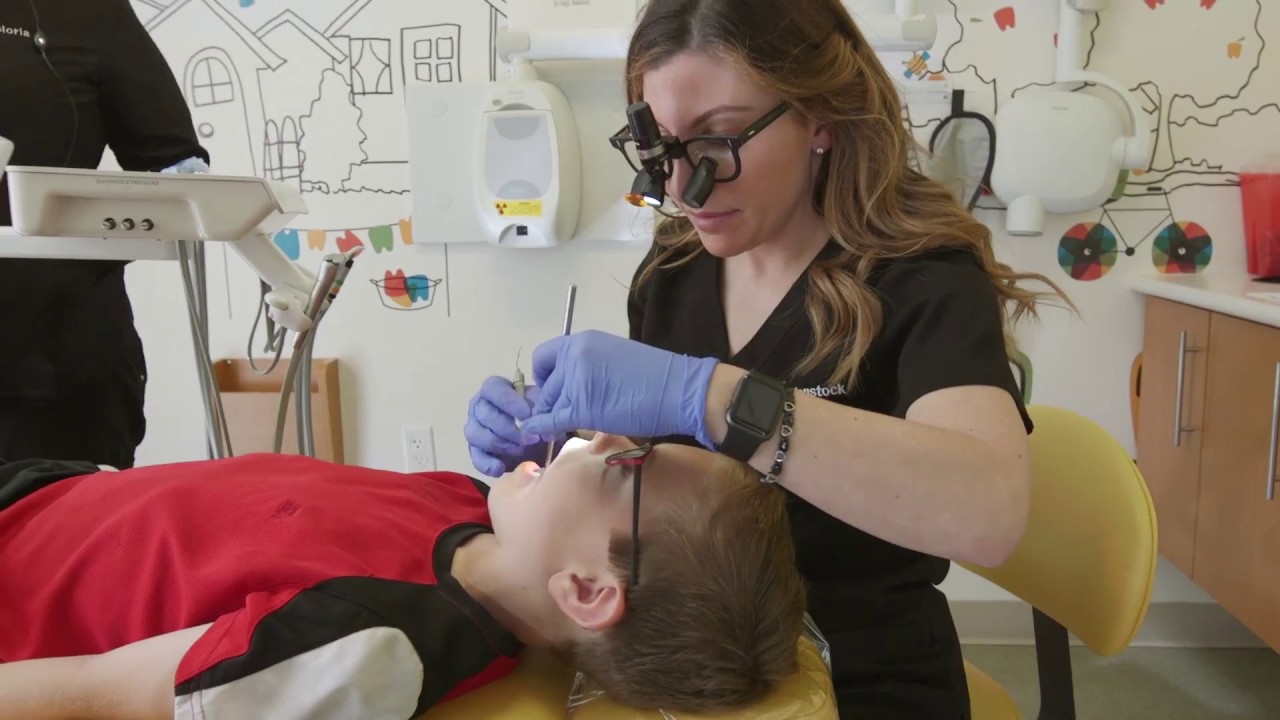
When to call urgently
Pain that wakes a child at night, facial swelling, fever with oral swelling, a knocked-out permanent tooth in an older child, and trauma that changes the bite are all reasons to contact an emergency pediatric dentist near me immediately. Many pediatric dental practices keep slots for same-day care. If you cannot reach your office, emergency departments are appropriate for swelling that spreads toward the eye or throat, difficulty swallowing, or significant lacerations. For weekend issues, a pediatric dentist open on Sunday or on Saturday is worth the search.
The long view: habits that last
The goal of a dentist for toddlers is not perfect teeth at age three. It is to build a pattern that survives sleep regressions, vacations, and preschool snack tables. The most successful families keep the routine short, keep the tools simple, and treat dental care like any other caregiver-led task. Toddlers sense our stress. If you treat brushing as a brief, predictable pause in the day, they will follow. The dentist for children is your ally in that process. We adjust plans, apply small interventions like fluoride varnish or sealants on deep grooves when age-appropriate, and step in during bumps with solutions sized to a toddler’s world.
Parents sometimes apologize at the first visit, worried they have waited too long or done something wrong. Shame does not help anyone brush better. Specifics do. Replace the bottle with water. Brush with fluoride twice daily. Nudge snacks toward less sticky options. See a kids dentistry specialist twice a year or more often if advised. If anxiety is high, consider a pediatric dentist for nervous child strategies or, when appropriate, minimal sedation with transparent risks and benefits. If you need an office that offers pediatric dentist consultation before committing, ask. Many of us love to meet families early and set the tone for years to come.
The toddler years are messy, noisy, and packed with milestones. Teeth are part of that story. With the right guidance from a child friendly dentist and a home routine that fits your reality, you can protect enamel, prevent most cavities, and keep your child smiling through the bumpy parts of growing up.
📍 Location: New York, NY
📞 Phone: +12129976453
🌐 Follow us: